
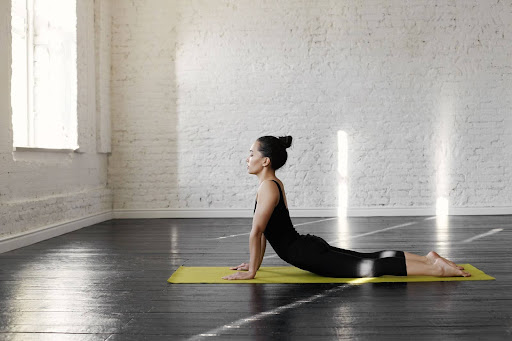
The collision between human physiology and modern work demands has created a public health crisis centered on spinal dysfunction and postural collapse. Millions of people spend their days in positions that directly contradict optimal biomechanics, leading to chronic pain, reduced mobility, and diminished quality of life. A yoga instructor with extensive experience in corrective movement has developed a systematic approach to addressing these challenges through simple, sustainable interventions that fit seamlessly into daily routines.
This expert’s teaching philosophy centers on reframing how people conceptualize their backs. Rather than viewing the spine as a vulnerable area prone to problems, she presents it as the body’s architectural blueprint—the central organizing structure that determines how everything else functions. This perspective shift helps individuals understand why back care deserves priority attention and consistent effort rather than reactive intervention only when pain emerges.
Quality posture represents much more than aesthetic improvement or social signaling. The instructor emphasizes that genuine postural optimization creates alignment that feels easy and sustainable rather than rigid or forced. This natural alignment reduces unnecessary mechanical stress throughout the joint system, creates optimal spatial relationships between internal organs to support their function, and fundamentally transforms how individuals experience inhabiting their bodies. The confidence that flows from good posture emerges organically from structural integrity rather than from conscious effort to “look” confident.
The expert has identified multiple dimensions of benefit that result from improved back health. These range from immediate practical advantages like pain prevention and injury risk reduction to more subtle but equally important improvements in breathing depth, movement quality, and overall physical performance. Each benefit area reinforces the others, creating synergistic effects where improvements in one domain facilitate progress in others.
For practical application, the instructor provides comprehensive guidance spanning multiple posture contexts and specific strengthening exercises. Her standing technique involves a five-step sequence addressing weight placement, spinal positioning, shoulder alignment, and head carriage to create optimal vertical organization. She acknowledges that initially maintaining this alignment requires conscious attention, but emphasizes that with consistent practice, improved positioning becomes increasingly automatic. For walking, she offers a specialized technique using arm position behind the back to reinforce proper alignment until it becomes habitual. Her sitting recommendations focus on strategic cushion placement that supports natural spinal curves without creating passive dependency. The strengthening exercises she recommends use wall support to create challenging positions that systematically address common weakness and restriction patterns. Together, these elements form a comprehensive system for transforming back health through accessible daily practices that anyone can implement regardless of their fitness background or available time.