
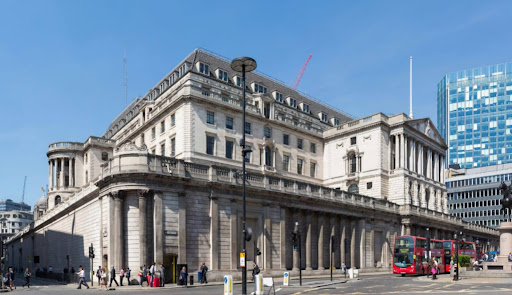
Business confidence and investment intentions in the UK are under threat from the changed monetary policy outlook following the Bank of England’s decision to hold rates at 3.75% and warn of potential rate hikes driven by the Iran war’s energy price impact. The monetary policy committee voted unanimously to hold, but the hawkish signals sent to markets have already affected business planning and confidence. Companies that had been expecting lower borrowing costs in 2025 now face the prospect of rates staying on hold or even rising.
The impact on business confidence operates through several channels. Higher expected borrowing costs make investment projects less financially attractive, potentially leading to delays or cancellations. Rising energy prices increase business costs directly, squeezing margins. And the general uncertainty created by the combination of a war, an energy price shock, and a changing monetary outlook creates an environment in which many businesses prefer to defer major financial commitments until the picture becomes clearer.
Governor Andrew Bailey acknowledged the uncertainty facing businesses but focused his communication on the Bank’s inflation mandate and its assessment of the energy price risk from the conflict. He said the Bank was committed to maintaining price stability and would use monetary policy tools if necessary. His implicit message to businesses was that the Bank understood their concerns but could not compromise its inflation mandate to provide short-term reassurance.
Financial markets reflected the business confidence impact. UK gilt yields rose, the FTSE 100 fell, and the pound strengthened against the dollar as investors adjusted their expectations for UK monetary policy. Analysts noted that rising borrowing costs and energy prices, combined with the uncertainty of a geopolitical conflict, created a particularly challenging environment for business investment.
For the government’s growth agenda, the threat to business confidence and investment represents a direct challenge. Investment by UK businesses has been one of the key pillars of Labour’s economic strategy, and a period of elevated uncertainty and potentially rising costs could dampen that investment significantly. The Bank’s next policy decisions and the evolution of the conflict will be key determinants of how serious the business confidence challenge becomes.