
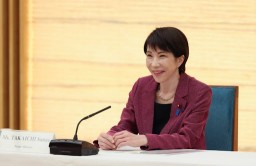
Japan has authorised its largest-ever strategic oil release alongside a new consumer subsidy programme as the country braces for potential energy shortages tied to the US-Israel conflict with Iran. Prime Minister Sanae Takaichi confirmed that roughly 80 million barrels — 45 days of domestic demand — will be distributed to refiners this week. This follows a prior 15-day release from private-sector reserves. Japan imports over 90% of its crude from the Middle East, and the risk to the Strait of Hormuz has made this comprehensive response unavoidable.
Takaichi has stated clearly that Japan’s postwar constitution prevents military involvement in the conflict and that Tokyo will focus on diplomacy and domestic preparedness. She conveyed this to US President Trump at a summit in Washington and stressed Japan’s commitment to multilateral diplomatic coordination. The prime minister’s dual emphasis on international engagement and domestic resilience defines Japan’s strategic response. The government has moved with unusual speed and scale to deploy its available tools.
The 80 million barrel release is 1.8 times the volume made available after the 2011 Fukushima disaster, itself the previous record. With reserves standing at around 470 million barrels — about 254 days of domestic supply — Japan remains well-stocked despite the drawdown. Officials have emphasised that reserve adequacy is not in question. Further releases can be made if the crisis continues or intensifies.
Fuel subsidies capping retail petrol at ¥170 per litre were introduced after prices hit a record ¥190.8. Weekly reviews ensure the subsidies are adjusted as oil markets evolve. Energy analysts say the flexibility of the review mechanism is one of its strongest features. Together, the reserve release and fuel subsidy create a comprehensive shield against the worst of the energy price shock.
Social media panic about toilet paper and everyday household goods has prompted a formal government response. The trade ministry confirmed that 97% of Japan’s toilet paper is manufactured domestically from recycled materials unconnected to oil imports. The paper industry body confirmed supply stability and production headroom. Japan is managing a genuine energy emergency with discipline and clarity, while ensuring that unfounded fears do not compound the challenge.