
President Trump’s proclamation that American oil companies will spend billions rebuilding Venezuela’s energy infrastructure has been met with striking silence from the industry’s major players. Despite Trump’s enthusiastic predictions about corporate involvement in Venezuelan oil modernization, the companies supposedly central to these plans have offered only cautious, nonspecific responses.
At his Mar-a-Lago estate, Trump described an ambitious scenario where US energy giants would invest heavily in fixing Venezuela’s deteriorated oil infrastructure and boosting production. He characterized this as part of America’s strategic involvement in “the oil business” and claimed companies would be reimbursed for their investments, though details on compensation mechanisms remained vague.
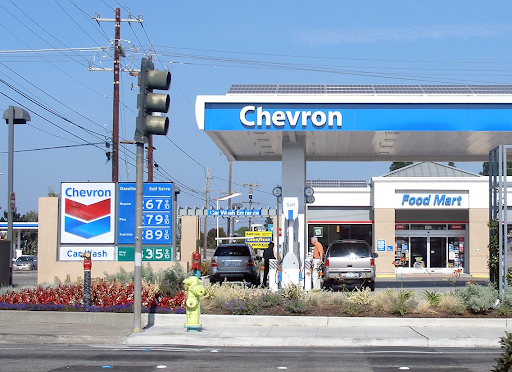
Chevron’s response focused exclusively on employee safety and regulatory compliance without addressing investment intentions. ExxonMobil provided no comment whatsoever on Venezuelan opportunities. ConocoPhillips warned against premature speculation about future activities in the country, suggesting these corporations maintain significant reservations about publicly committing to Trump’s vision.
Venezuela’s oil sector presents both enormous potential and substantial risk. The country holds approximately 17% of global oil reserves, but production has plummeted from 3.5 million barrels daily in the 1970s to roughly 1 million today. Decades of corruption, mismanagement, and underinvestment have devastated the industry’s productive capacity, creating a massive reconstruction challenge.
The history of nationalization further complicates corporate calculations. Venezuela’s 2007 seizure of private operations prompted legal battles that resulted in multibillion-dollar arbitration awards for ExxonMobil and ConocoPhillips—money that remains largely unpaid. Analysts suggest companies won’t rush into Venezuela without strong stability guarantees, particularly given current global oil market conditions where oversupply and falling prices encourage selective investment in proven, familiar territories.