
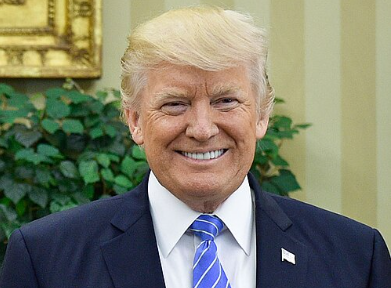
A major confrontation is looming between Donald Trump and the nation’s largest financial institutions after the president announced a plan to cap credit card interest rates at 10%. In a move that surprised many observers, Trump took to Truth Social to declare that starting January 20, his administration would stop credit card companies from “ripping off” the American public. He specifically targeted the high interest rates that have become common in recent years, blaming them for exacerbating the financial pain of average citizens.
The banking lobby wasted no time in firing back. Groups representing the industry, including the Bank Policy Institute and the Financial Services Forum, issued a dire warning about the potential fallout. They argued that a 10% cap is economically unsustainable for many types of lending, particularly to consumers with lower credit scores. Their statement suggested that if the cap is enforced, banks would have no choice but to cut off access to credit for millions of Americans to avoid catastrophic losses.
This economic tug-of-war is complicated by the soaring levels of consumer debt. With Americans owing a record $1.17 trillion on their credit cards, the political pressure to act is immense. Trump’s proposal mirrors a legislative attempt by Senators Bernie Sanders and Josh Hawley earlier in 2025, which sought a similar cap but failed to gain traction in Congress. By using executive action—or the threat of it—Trump is attempting to bypass the legislative gridlock that stymied previous efforts.
Investor reaction has been mixed, with some notable supporters breaking ranks. Bill Ackman, a billionaire hedge fund manager who has backed Trump, publicly questioned the wisdom of the policy. He warned that “doing so will inevitably cause millions of Americans to have their cards cancelled,” highlighting the risk that a price cap could destroy the market for subprime credit. Ackman’s comments underscore the tension between populist political goals and the rigid mathematics of the financial markets.
As the dust settles on the announcement, the focus is shifting to enforcement. Without clear details on how the government intends to compel compliance, the policy remains a major uncertainty. Senator Elizabeth Warren expressed skepticism that Trump could pull it off without Congress, calling the move a “fraud” if not backed by law. Whether this becomes a transformative economic policy or a failed experiment will depend on the legal and regulatory battles likely to follow in the coming weeks.