
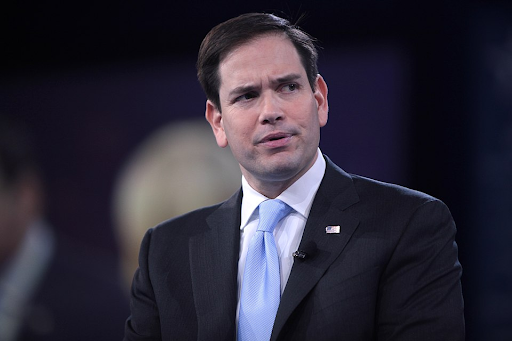
Marco Rubio disclosed unprecedented American financial oversight of Venezuela during Senate testimony Wednesday, explaining that petroleum sales revenue will flow through Treasury-controlled accounts requiring monthly budget approvals before fund releases. The arrangement represents extraordinary American influence over a nominally sovereign government while defending President Trump’s military operation to remove Nicolas Maduro from power.
The Secretary described the framework as necessary to ensure oil proceeds fund essential services including policing and healthcare rather than corruption or authoritarian activities. Monthly budget submissions from Caracas will undergo Treasury review, with approvals required before any funds become accessible to interim authorities. This mechanism effectively grants Washington veto power over Venezuelan governmental spending decisions and economic policy directions.
Rubio addressed concerns about cooperating with former Maduro regime members, acknowledging that Vice President Delcy Rodriguez now serves as acting president alongside numerous other authoritarian holdovers. He defended this arrangement as pragmatic while emphasizing American demands that interim authorities must meet, including privileged access for United States energy companies and requirements to purchase American goods with petroleum revenue.
The hearing exposed sharp partisan divisions, with Republicans praising the operation’s execution and Democrats questioning its strategic value. Senator Shaheen articulated constituent frustration about presidential focus on foreign interventions while Americans face cost-of-living pressures. She characterized recent foreign policy as increasingly expensive and risky with diminishing benefits, suggesting the Venezuela operation exemplifies this troubling pattern.
Beyond Venezuela, Rubio addressed multiple international concerns including Greenland, NATO tensions, Iran, and China. He reported productive discussions underway regarding Trump’s Greenland demands and dismissed suggestions that presidential rhetoric uniquely damages alliances. The Secretary maintained that fundamental American commitments remain intact despite contentious debates about defense spending and burden-sharing that have strained relationships with European partners.