
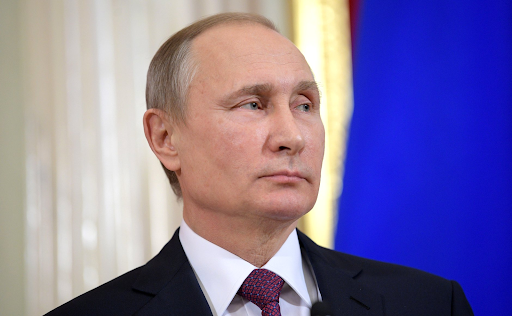
The diplomatic pathway toward ending the Ukraine conflict has become more defined yet more complex following Vladimir Putin’s conditional response to Donald Trump’s peace initiative. Speaking in Kyrgyzstan, the Russian president indicated that Moscow could accept the American-backed proposal as a foundation for negotiations, while confirmation emerged that Trump’s special envoy Steve Witkoff will visit Moscow next week to advance discussions on the framework that has been under development.
Putin’s acceptance came with demands that may prove impossible for Ukraine to accept. He explicitly stated that Ukrainian armed forces must fully withdraw from all territories they currently hold before fighting can stop, presenting this as a non-negotiable condition. The Russian leader reinforced this ultimatum with threats of continued military action, warning that Russia would achieve its objectives by armed means if Ukraine refuses to retreat from these areas, effectively demanding territorial surrender before substantive negotiations.
The Russian president also challenged the legitimacy of potential negotiating partners and demanded recognition of territorial changes. Putin argued that concluding agreements with Zelensky’s government would be legally invalid because the Ukrainian president has extended his term without elections, though this results from wartime restrictions. He also insisted that the international community must formally recognize Russia’s territorial acquisitions in Ukraine, seeking to convert military control into permanent legal sovereignty as part of any settlement.
The Trump administration’s peace proposal has evolved significantly from initial versions that faced widespread criticism for overwhelmingly favoring Russian positions. Early drafts reportedly demanded Ukraine cede Donbas entirely, accept Russian control of Crimea, drastically reduce military capabilities, prohibit foreign forces and long-range weapons, and permanently renounce NATO aspirations. After Ukrainian and European objections, the framework was refined from 28 provisions to 19 points, with remaining contentious issues designated for direct discussions between Kyiv and Washington.
Ukrainian President Zelensky faces extraordinary pressure as he weighs catastrophic alternatives. He has characterized the situation as an “impossible choice” between the “loss of dignity” and the “loss of a key partner,” acknowledging the war’s devastating toll while recognizing that compromises may be unavoidable. Ukrainian officials have indicated readiness to discuss the revised proposal with Trump directly, though fundamental questions about sovereignty and territorial integrity remain. Recent Russian drone strikes on Zaporizhzhia residential areas demonstrate that violence continues as diplomatic efforts proceed.