The Trump administration has taken its most direct shot yet at Russia’s economy, sanctioning oil giants Rosneft and Lukoil in an effort to choke off the “lifeblood” of Vladimir Putin’s war machine. The move is the first major sanction against Russia since Trump returned to office.
Treasury Secretary Scott Bessent announced the measures, declaring, “Now is the time to stop the killing and for an immediate ceasefire.” He explicitly tied the sanctions to Putin’s unwillingness to negotiate an end to the “senseless war” in Ukraine.
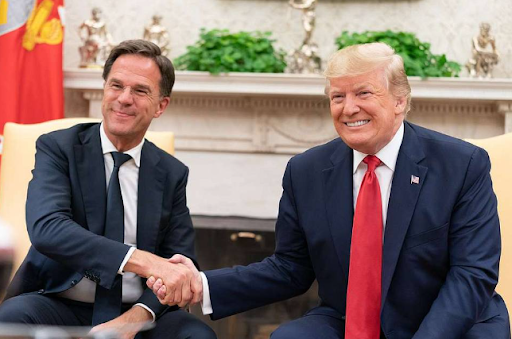
This economic escalation was matched by a diplomatic one. President Trump, speaking to reporters with the NATO chief, confirmed he had personally “cancelled the meeting with President Putin.” He explained, “It didn’t feel like we were going to get to the place we have to get.”
The US action goes further than the European Union’s, as the EU has not sanctioned the privately-owned Lukoil due to dependencies in Hungary and Slovakia. However, the EU is preparing its own 19th sanctions package to ban Russian LNG and target its illicit oil transport network.
Experts are now watching for the administration’s next move. A key question remains whether the US will threaten secondary sanctions against foreign banks, traders, and refineries that continue to facilitate the sale of Russian oil, which would determine the long-term effectiveness of this new “strategic squeeze.”