
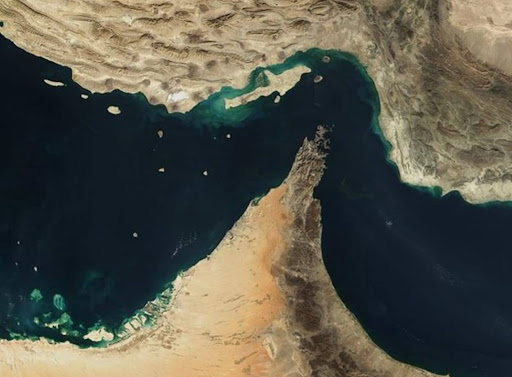
Iran’s stranglehold on the Strait of Hormuz is holding firm as global powers give President Trump’s warship call a cold shoulder, leaving the critical oil corridor under siege with no multilateral naval force prepared to confront it. Trump posted online urging the UK, China, France, Japan, South Korea, and other oil-importing nations to send naval ships to the embattled waterway, asserting that many were already doing so. The reality, however, is that not a single country has confirmed it will deploy warships to the region.
The blockade began at the end of February when Iran shut down the strait in response to US-Israeli military strikes, creating what has been described as the worst oil supply disruption in the industry’s history. Through the strait normally passes about one-fifth of global oil exports — a fact that underscores the severity of the crisis. Tehran has made clear that any oil tanker heading for America, Israel, or their allies will be treated as a military target and destroyed. Sixteen tankers have already been attacked and Iran has threatened to mine the waters further.
Europe’s response has been cautious at best and outright dismissive at worst. France’s defence minister flatly ruled out sending ships while the conflict raged on. President Macron has floated the idea of a defensive escort mission involving European and non-European nations, but only after a de-escalation in fighting. The UK acknowledged it was weighing a range of options, including mine-hunting drones, while the EU is debating widening the Aspides mission to cover the Persian Gulf. Germany’s top diplomat doubted the mission’s effectiveness, throwing cold water on calls to expand it.
Japan and South Korea face genuine economic pain from the disruption, as both countries are heavily reliant on Gulf energy imports. Japan’s ruling party acknowledged that sending warships was legally conceivable but politically very difficult. South Korea said it was carefully watching developments and exploring multiple avenues to protect its energy supply and citizens. Neither country moved toward a decisive commitment, reflecting the broader trend among nations unwilling to take on the risk of Iranian retaliation in an active conflict zone.
China, simultaneously a top Iranian ally and a top consumer of Gulf oil, is pursuing a distinctly non-military path. Beijing said it would strengthen communication with relevant parties in the Middle East and contribute to de-escalation. Reports indicate China is in talks with Iran about allowing oil tankers to pass safely — though no agreement has been reached. The US energy secretary expressed hope that China would be a constructive partner in restoring normalcy to the world’s most important oil shipping channel.