
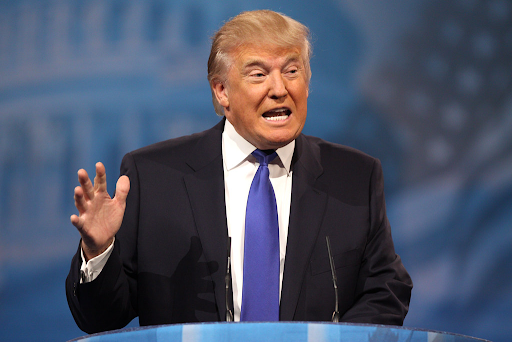
At the World Economic Forum in Davos, Donald Trump clarified his administration’s approach to acquiring Greenland: economic and diplomatic pressure rather than military force. The US president’s explicit rejection of armed conquest represented a significant concession to international concerns, yet his determination to bring the Arctic territory under American control—backed by threats of economic consequences for resistant nations—signaled that territorial expansion remains a defining goal of his presidency.
Trump’s security argument for Greenland emphasized the island’s strategic value in containing Russian and Chinese influence. He described current defensive arrangements as inadequate and insisted that protecting American interests requires sovereign ownership rather than cooperative agreements with Denmark. The president’s proposed Golden Dome missile defense system would allegedly necessitate permanent American bases on Greenland, which he claims cannot be properly maintained or defended under lease arrangements.
Nordic countries responded with cautious acknowledgment of Trump’s military force pledge while stressing that fundamental disagreements persist. Denmark’s foreign minister noted that while avoiding invasion is positive, the underlying challenge of American territorial ambitions hasn’t disappeared. Former NATO chief Stoltenberg’s comment that “many were afraid” of military action highlighted how seriously European governments viewed the threat, illustrating the depth of transatlantic tensions created by Trump’s Greenland campaign.
The president’s announcement of delayed tariffs against eight European nations appeared designed to demonstrate diplomatic progress without requiring immediate territorial concessions. Trump characterized talks with NATO Secretary General Rutte as productive and yielding a framework for future Arctic arrangements. However, the absence of details, Rutte’s refusal to discuss the supposed agreement, and silence from Greenland and Denmark suggested Trump may be overstating achievements to justify backing away from economic confrontation.
Trump’s speech extended beyond Greenland to criticize European policies across multiple domains, from energy to immigration to defense spending. He promoted fossil fuels over renewables, attacked immigration as destructive, questioned whether NATO allies would defend America, and praised relationships with Putin and Xi while insulting Western democratic leaders. The rambling, invective-laden address prompted criticism from American officials including Senator Lisa Murkowski, who noted Trump’s failure to consider indigenous Greenlanders’ wishes.