
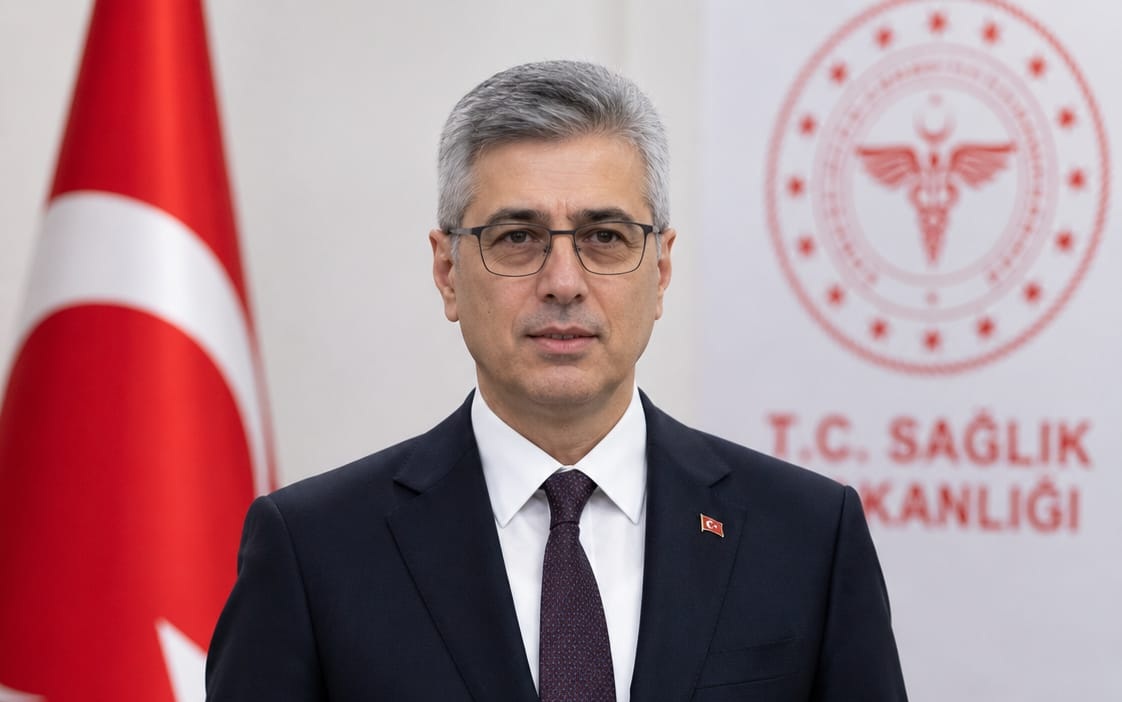
Türkiye is set to extend its expertise in disaster health management globally, underscoring the necessity of international solidarity in safeguarding lives during significant emergencies. This commitment was reiterated by Health Minister Kemal Memişoğlu during the World Health Organization’s Ministerial Conference on “Protecting Health in Earthquakes – Strengthening Health Security Through Earthquake Emergency Management” held in Istanbul. Memişoğlu emphasized that earthquakes represent a global challenge that demands scientific cooperation and cross-border support.
With participation from around 40 countries, the conference focused on enhancing disaster preparedness and bolstering healthcare systems in response to earthquakes and similar emergencies. Türkiye’s extensive experience in disaster management was a focal point of the discussions, particularly following the catastrophic earthquakes in February 2023. During this crisis, over 138,000 healthcare workers, emergency responders, and support staff were mobilized, and the country executed one of its largest medical evacuation operations, moving more than 51,000 patients to safer locations and swiftly setting up field hospitals and emergency medical facilities.
Minister Memişoğlu detailed the strides Türkiye has made in fortifying its healthcare infrastructure through investments in robust hospitals, emergency medical services, digital health systems, and air ambulance operations. These advancements include the development of the GÖKBEY ambulance helicopter, engineered to provide intensive care in challenging terrains during disasters. Additionally, Türkiye’s National Medical Rescue Teams (UMKE) play a crucial role in its emergency response strategy.
Looking to the future, Türkiye is intensifying its readiness for potential disasters, such as a major earthquake in the Marmara region. The nation has unveiled a comprehensive earthquake preparedness model and claims to have created the world’s first Public Health Services in Earthquakes Guide, which includes meticulous response plans for Istanbul and other high-risk areas. Memişoğlu stressed that collaboration is vital, as no nation can confront large-scale disasters in isolation.
Reaffirming Türkiye’s dedication to global disaster management efforts, Memişoğlu highlighted the country’s pledge to aid disaster-hit nations by sharing its knowledge, skilled personnel, and emergency response capabilities. This commitment to mutual support and collective action is vital in tackling the challenges posed by natural disasters worldwide.